Proton® Advanced Solvent Cleaning: Maximizing Dissolution Power for the Most Challenging SMT Contaminants
In the high-precision environment of Surface Mount Technology (SMT), where component density continues to increase and the demand for zero-defect reliability in automotive, medical, and aerospace sectors is absolute, cleaning is no longer an optional process step. While aqueous solutions handle many standard applications, the Proton® series represents the pinnacle of solvent-based cleaning chemistry. These agents are specifically engineered to remove contaminants that are often unreachable or insoluble for water-based systems—specifically cured silicones, synthetic rubbers, and extremely heavy, baked-on resin deposits. Ignoring residual flux or failing to properly remove protective coatings leads to the “Cost of Poor Quality,” manifesting as electrochemical migration, dendritic growth, and catastrophic field failures.
Technical, Financial, and Safety Perspectives
Chemical Activity and Capillary Penetration
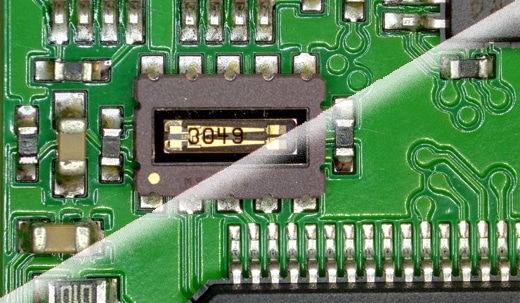
For the process engineer, the primary challenge is ensuring that the cleaning medium can penetrate the microscopic stand-off gaps under components like QFNs, BGAs, and LGA packages. The Proton® series features exceptionally low surface tension, allowing for superior wetting and the ability to “creep” into critical areas where aqueous fluids may encounter a capillary barrier. Unlike generic solvents like Isopropyl Alcohol (IPA), which evaporate too rapidly and often leave problematic “white residues” (insoluble metal salts), the Proton® range is chemically balanced to hold dissolved contaminants in suspension until the rinsing phase. A prime example is Proton 707, a unique solution capable of breaking the chemical bonds of cured silicone—a breakthrough that allows for the automated salvage of expensive assemblies and the thorough maintenance of coating frames.
Total Cost of Ownership (TCO) and Margin Protection
From a financial perspective, investing in the Proton® series is a strategic move to lower the Total Cost of Ownership (TCO) of the cleaning process. While the unit price of high-performance solvents may be higher than water-based alternatives, their efficiency in automated DCT systems dramatically reduces operational expenses (OPEX). When utilized in machines like the InJet 888 CRD, these fluids benefit from advanced 2PR filtration and phase separation, typically reducing chemical consumption by 40–60%. The ROI (Return on Investment) is further accelerated by the ability to recover high-value PCBAs that would otherwise be scrapped due to coating errors or heavy contamination. By implementing a validated Proton® process, procurement teams transform cleaning from a cost center into an asset-recovery and margin-protection tool.
Safety, Compliance, and ESG Integration
Modern industrial facilities operate under strict ESG (Environmental, Social, and Governance) mandates. Transitioning from dangerous manual cleaning with flammable solvents in open baths to automated Proton® processes in closed-loop DCT systems is the most effective way to ensure a safe work environment. Proton® agents are formulated in strict compliance with RoHS and REACH regulations and are biodegradable. For project managers, the use of these fluids in DCT’s zero-drain systems facilitates easier process certification for Tier 1 suppliers. This ensures a non-irritating, safer, and odor-free workplace, while automated logging provides full traceability for every cleaning cycle, meeting the documentation requirements of the most demanding global customers.
Selection Guide: Matching the Right Proton® Agent to Your Process
Optimizing your cleaning process requires matching the chemical activity of the fluid to the specific nature of the contaminant:
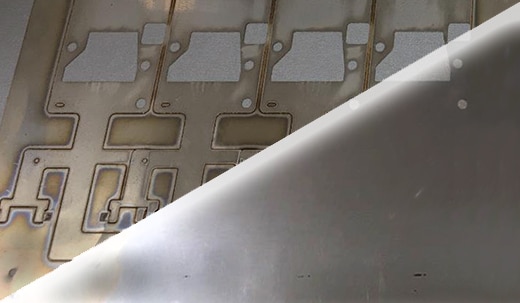
- Silicone Removal (Cured/Uncured): Proton 707 and Proton 705 are the industry standards for breaking down the unique chemical structures of silicone coatings from PCBAs and frames.
- Acrylic & Urethane Decoating: Proton 69 provides rapid dissolution of standard protective layers, ensuring a perfectly clean substrate for rework or repair.
- Synthetic Rubber & Polybutadiene: Proton 561 was developed specifically for these highly hydrophobic materials, offering a removal capability that standard solvents cannot match.
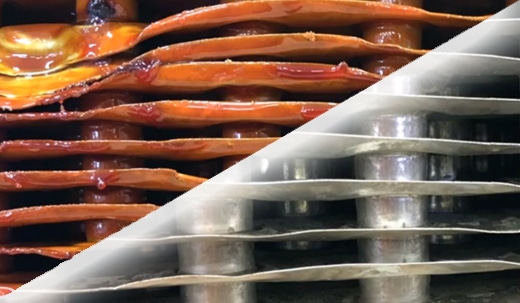
- Heavy Maintenance & Twin-Cure: Proton 537 and Proton 532 are optimized for removing baked-on resins from reflow oven filters and solder frames, ensuring equipment longevity and process stability.
Technical Specifications: Proton® Range Overview
| Product Name |
Primary Application |
Key Technical Feature |
| Proton 707 |
Cured Silicone Removal |
Breaks chemical bonds of silicone resins |
| Proton 69 |
Acrylic Coatings & Flux |
Fast evaporation, leaves zero secondary residue |
| Proton 561 |
Synthetic Rubber Removal |
High hydrophobicity for specialized coatings |
| Proton 537 |
Twin-Cure & Heavy Maintenance |
Optimized for high-energy ultrasonic systems |
Industry FAQ: Expert Insights into Solvent Cleaning
Q: Is a water rinse necessary after using a Proton® solvent?
A: It depends on the specific agent and application. Some Proton® fluids are designed for a rinse-free process due to their clean evaporation. However, for high-reliability assemblies (Tier 1 automotive/medical), we recommend a final rinse with DI water or a compatible secondary solvent to ensure absolute ionic cleanliness.
Q: Are Proton® agents compatible with aluminum coating frames?
A: Yes. All Proton® products undergo rigorous material compatibility testing. They are formulated to be safe for aluminum, stainless steel, and the plastics commonly used in SMT tool manufacturing. For unique composite materials, we recommend a trial test in our demo center.
Q: Can I use these solvents in standard cleaning machines?
A: Proton® solvents are optimized for DCT’s high-pressure spray-in-air and ultrasonic systems. Because some solvents have specific flashpoints, it is critical to ensure that the cleaning machine is properly modified and equipped with the necessary safety features (fire suppression/ventilation) to avoid hazards.
Q: How does the regeneration process work for these solvents?
A: In a DCT closed-loop system, the fluid is continuously filtered to remove mechanical particles. Additionally, phase separation and active carbon filtration help remove dissolved organic contaminants, significantly extending the bath life and reducing the frequency of total fluid replacement.
Q: Can Proton® remove the “white powder” residue often seen on old solder frames?
A: White powder is typically tin or lead oxide, which is extremely stable. While Proton® agents effectively neutralize the fluxes and resins that hold these oxides in place, preventing the build-up through a regular maintenance cleaning schedule is the most effective way to keep frames in like-new condition.
Elevate your production reliability today. Contact our technical experts at www.dct.cleaning to schedule a cleaning trial. We offer comprehensive process analysis, machine setting optimization, and a Validated Process Guarantee to ensure your electronics meet the highest global standards for quality and safety.