Advanced PCBA Remediation: Professional Solutions for Dust and Rust Removal
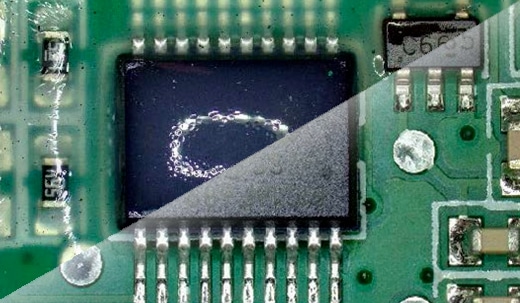
In the lifecycle of high-performance electronics, environmental contaminants such as dust and metallic oxides (rust) represent significant threats to functional integrity and long-term field reliability. Dust accumulation acts as a thermal insulator, leading to overheating, while also trapping moisture that facilitates electrochemical migration. Rust, often the result of improper storage or exposure to corrosive industrial environments, directly compromises solder joint strength and signal path continuity. Professional PCBA cleaning is not merely a cosmetic step; it is a critical reliability gatekeeper for mission-critical sectors including automotive (EV), telecommunications (5G), and advanced medical device manufacturing.
The Cost of Poor Quality: Why Surface Cleanliness Matters
Allowing PCBAs to remain contaminated with dust or corrosion leads to what industry experts call the “Cost of Poor Quality.” This encompasses the direct expenses of product failures, warranty claims, and the indirect damage to brand reputation. In modern high-density component arrays, traditional manual cleaning methods are insufficient to reach under-fill areas or the centers of QFN components. Automated, validated cleaning processes are required to ensure that 100% of residues are removed, providing a stable foundation for subsequent processes like conformal coating or final assembly.
Technical, Financial, and Safety Perspectives
Precision and Material Compatibility
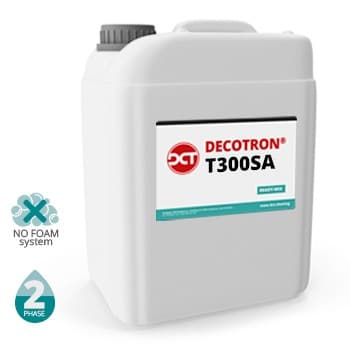
For process engineers, the primary challenge is achieving deep cleanliness without inducing chemical stress on sensitive SMT components. DCT’s engineered water-based fluids, such as Decotron 417XP, are formulated to be surfactant-free or “Tenzide-free.” This allows for higher operating pressures in InJet manifolds without the risk of foaming or leaving secondary residues. These fluids effectively neutralize corrosive agents and remove flux residues that may have bonded with environmental dust. By utilizing horizontal high-pressure spray-in-air technology, engineers can guarantee repeatable results that meet or exceed IPC-A-610 standards for cleanliness.
TCO and Asset Recovery
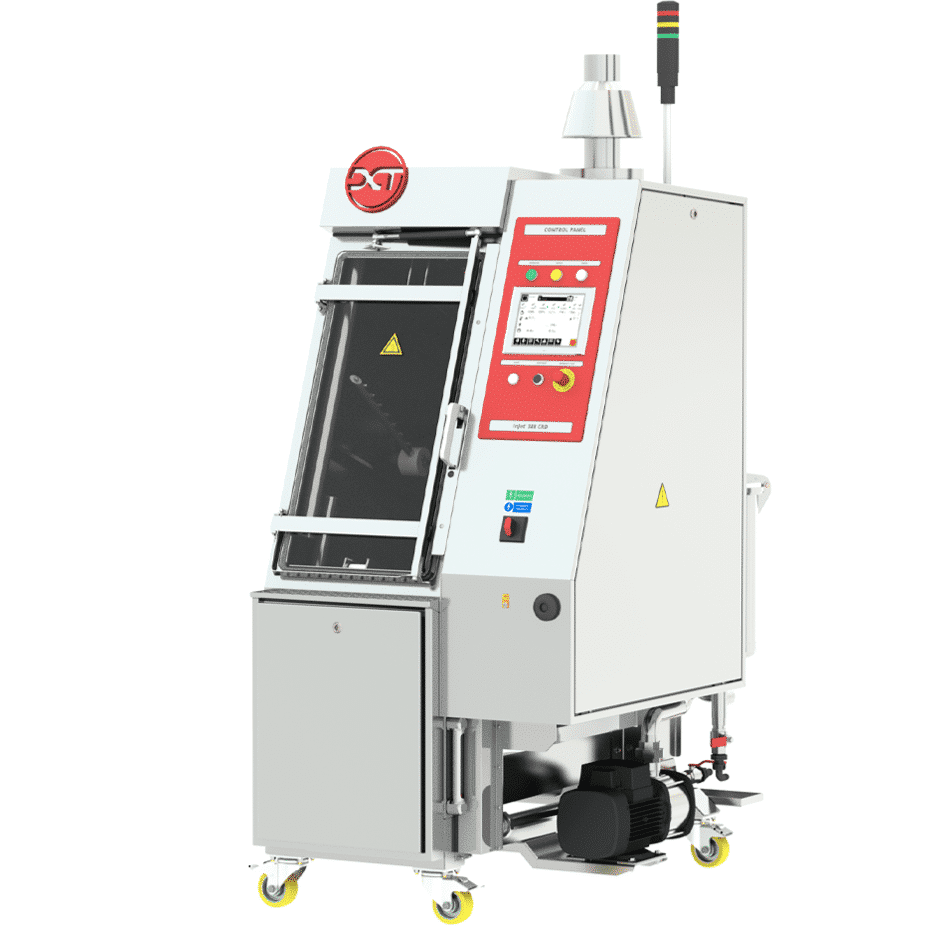
From a financial standpoint, the investment in a dedicated cleaning system should be viewed through the lens of Total Cost of Ownership (TCO). While the initial purchase price of an automated system like the InJet 388 CRD is a factor, the operational savings are substantial. A high-quality system typically pays for itself within 12 to 18 months by reducing chemical consumption by 40-60% through advanced 2PR filtration and phase separation technologies. Furthermore, cleaning allows for the recovery of expensive assemblies that would otherwise be scrapped due to environmental damage, transforming a cleaning station into a center for asset recovery and margin protection.
Safety and ESG Compliance
Safety and environmental compliance are no longer optional in global manufacturing. Transitioning from manual, flammable solvent cleaning (such as IPA) to automated, regenerated aqueous processes is the single most effective way for EMS providers to improve their ESG scores. DCT fluids are biodegradable, RoHS compliant, and REACH compliant. Because the machines are built from high-grade stainless steel with manual welding, they offer the longest warranty, reducing the environmental impact associated with short-lived industrial equipment. Project managers benefit from MES and line automation connectivity, ensuring full process documentation for every batch.
Selection Guide: Choosing the Right Remediation System
Selecting the appropriate cleaning technology depends on the volume of PCBAs and the specific type of contamination encountered:
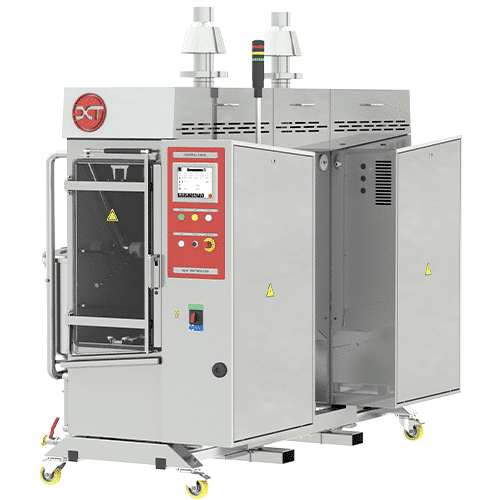
- High-Volume Remediation: The InJet 388 Double Triple CRRD is the premier choice for large-scale operations. It features four separate chambers to avoid cross-contamination and maximize throughput, with “Focus drying” for exceptionally fast moisture removal.
- Maintenance and PCBA Cleaning: The InJet 888 CRD offers a versatile, fully automatic closed-loop process. It is ideal for facilities that need to clean both production PCBAs and maintenance parts like solder frames or reflow oven filters.
- Small-Scale or Specialized Agitation: Sonix ultrasonic systems provide intense mechanical energy, which can be advantageous for breaking down stubborn, calcified rust in hard-to-reach areas.
Technical Specifications Overview
| Product Category |
Primary Application |
Key Technical Feature |
| InJet 888 CRD |
Maintenance Cleaning |
Horizontal high-pressure spray-in-air |
| Decotron 417XP |
Remediation Fluid |
Water-based, Tenzide-free formula |
| Rose Tester 54 |
Cleanliness Validation |
Highest probe sensitivity for ionic testing |
| AirJet 486 CRD |
Gentle Part Cleaning |
Air-bubbling technology |
Industry FAQ: Expert Insights into Dust and Rust Removal
Q: Can “white powder” residues on old PCBAs be removed automatically?
A: White powder is often tin oxide or lead carbonate, which are insoluble in most standard chemicals. While automated aqueous cleaning in an InJet system with the correct fluid can remove the vast majority of surface pollutants, extremely stubborn oxides may require a regular maintenance schedule to prevent build-up. For existing heavy deposits, a trial in our demo center is recommended to find the optimal cycle time.
Q: Is water-based cleaning safe for old or sensitive board substrates?
A: Yes. DCT water-based fluids are designed with neutral pH values and low VOC content to ensure high material compatibility. They do not attack the epoxy glass substrates of PCBAs. However, we always recommend checking the compatibility of specific component labels or inks which might be susceptible to high-pressure cleaning.
Q: How do I prove to my customer that the boards are clean after rust removal?
A: Cleanliness validation is a core part of the DCT solution. By using the ROSE TESTER 54, you can measure the level of ionic contamination remaining on the board surface. This provides a “Validated Process Guarantee” and the necessary documentation to satisfy Tier 0 and Tier 1 reliability requirements.
Q: What is the benefit of horizontal spray-in-air vs. manual cleaning?
A: Manual cleaning is highly variable and depends entirely on the operator’s thoroughness. It also carries a high risk of ESD damage and mechanical harm to components. Horizontal spray-in-air ensures that the fluid reaches the center of high-density arrays with consistent pressure and temperature, providing a repeatable, industrial-grade result.
Q: How does cleaning impact the adhesion of conformal coatings?
A: Adhesion failure (delamination) is frequently caused by microscopic dust particles or thin layers of oxidation. Thoroughly cleaning and drying the PCBAs in a controlled automated environment ensures a high surface energy level, which is essential for the conformal coating to bond permanently to the assembly.
Ensure the absolute reliability of your electronics. Contact our technical consultants today to arrange a cleaning trial or to receive a custom TCO analysis for your production facility. Our experts are ready to help you implement a zero-defect cleaning process.