Automated Conformal Coating Removal: Optimizing Reliability and TCO in SMT Maintenance
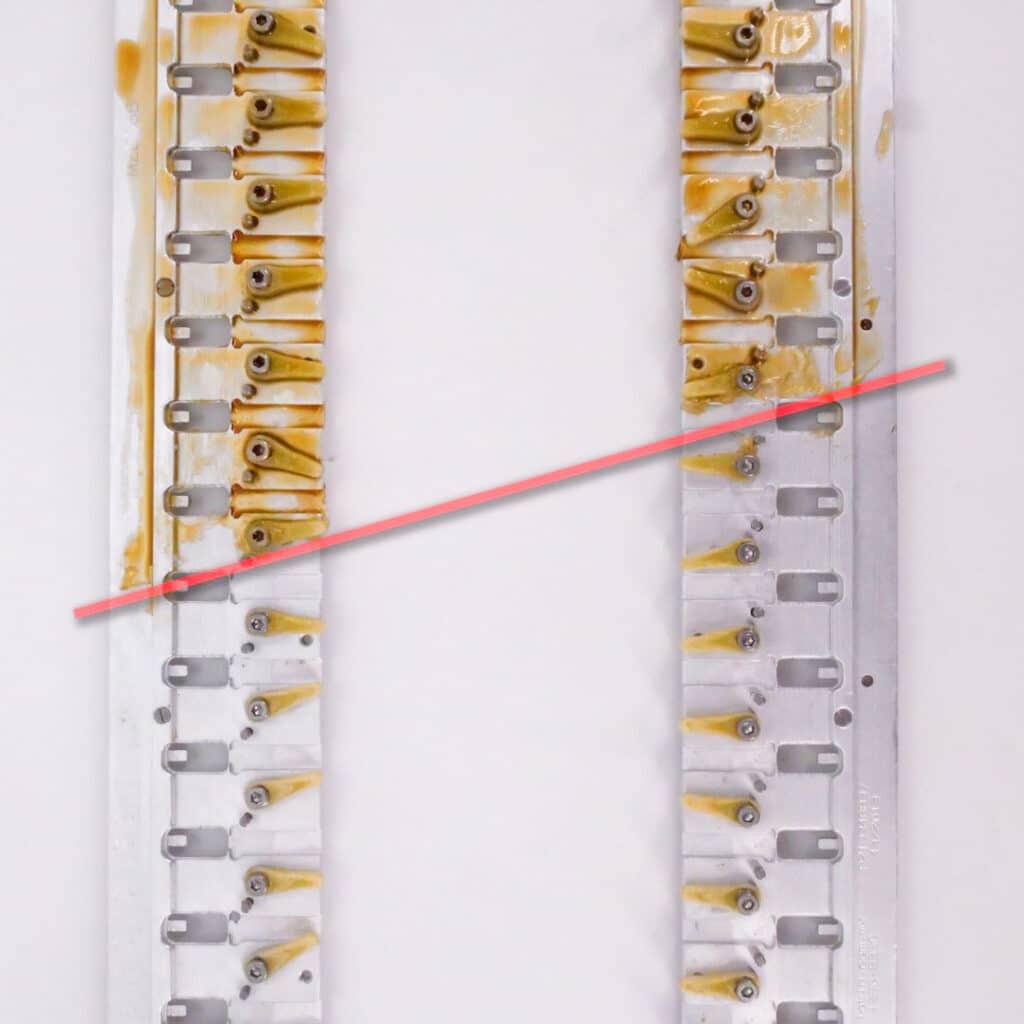
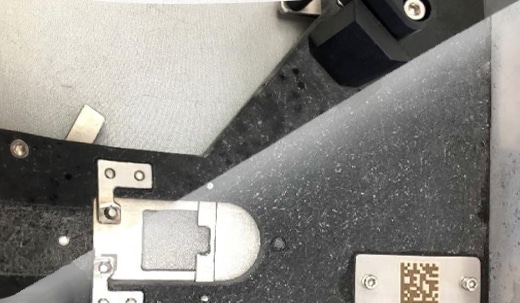
In high-precision electronics manufacturing, the maintenance of tools is as critical as the assembly process itself. Conformal coating frames, carriers, and masks are subject to extreme contamination from acrylics, polyurethanes, silicones, and epoxies. Neglecting the cleanliness of these frames leads to “The Cost of Poor Quality”—a phenomenon characterized by poor coating adhesion, delamination, and mechanical shadowing that compromises the protection of the final PCBA. Traditional manual scraping not only fails to remove cured residues effectively but often results in the permanent mechanical damage of expensive aluminum and plastic frames.
Technical, Financial, and Safety Perspectives
Reliability and Material Compatibility
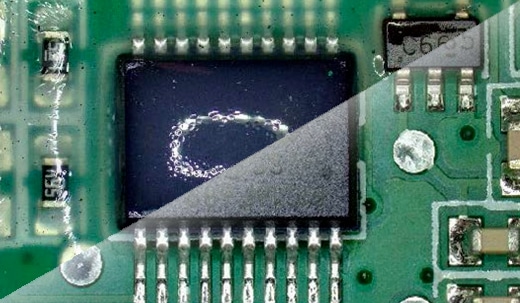
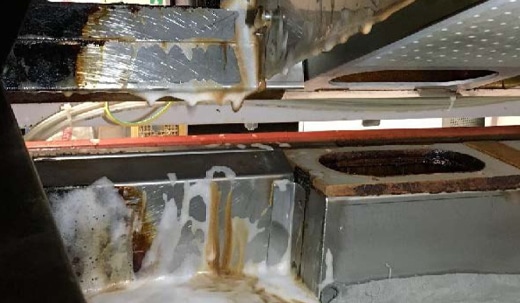
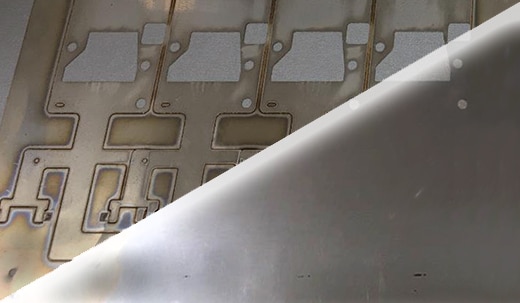
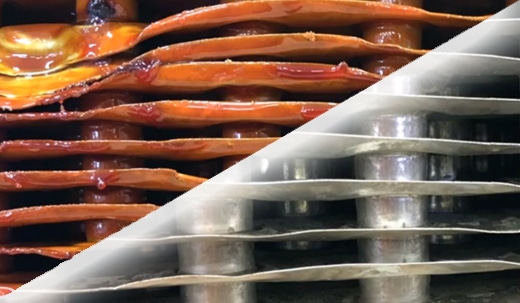
For the process engineer, the primary challenge is the consistent removal of thick, extremely cured layers of coating without compromising the integrity of the frame. Engineered cleaning chemistries, such as the pH-neutral Decotron EFD1, utilize a physical decoating mechanism that causes the coating to swell and peel in layers rather than attempting to dissolve it entirely. This approach is significantly more efficient for heavy buildup and ensures exceptional compatibility with aluminum and other soft metals. By transitioning from manual removal to automated horizontal high-pressure spray-in-air or air-bubbling technologies, engineers can achieve repeatable results, ensuring that problematic areas near pads are perfectly cleaned to avoid subsequent adhesion issues.
ROI and Total Cost of Ownership (TCO)
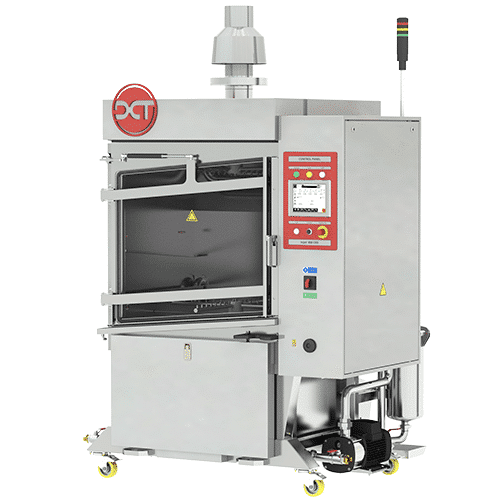
From a financial perspective, the investment in a dedicated cleaning system like the InJet 888 CRD is justified through a comprehensive TCO analysis. While initial CAPEX may be higher than manual methods, the system typically pays for itself within 12 to 18 months. This is achieved by reducing chemical consumption by 40-60% through advanced filtration systems and phase separation. Furthermore, automation extends the lifespan of the coating frames themselves, preventing the high cost of frequent replacement necessitated by manual tool damage. Regular maintenance cleaning ensures that bath life is maximized and production downtime due to frame shortages or rework is virtually eliminated.
Compliance and Integration
Safety and environmental compliance are no longer optional. Modern water-based cleaners like Decotron EFD1 offer a market-leading safety profile with no GHS classification, allowing for a VOC-free workspace. This eliminates the risk of factory fires associated with alcohols like IPA and removes the burden of expensive waste disposal for hazardous solvents. For project managers, these systems offer seamless integration into existing production lines through MES connectivity and full process documentation, ensuring that every cleaning cycle meets IPC standards and Tier 1 contract requirements.
Selection Guide: Matching Chemistry to Coating Type
Choosing the correct cleaning agent is the most critical step in process optimization. The chemical resistance of coatings increases from acrylics to epoxies, requiring specialized matches:
- Acrylic & Urethane: Best handled by Decotron EFD1 (water-based) or Proton 69 (solvent-based) for rapid dissolution.
- Silicone: Specifically requires Proton 707 or Proton 705. These unique agents are designed to break the chemical bonds of cured silicone, a feat standard solvents cannot achieve.
- Synthetic Rubber: Use Proton 561, a highly hydrophobic agent developed specifically for polybutadiene-type materials.
- Insoluble Residues: For stubborn tin or lead oxides (white powder), occasional manual intervention with specialized reflow cleaners may be required to maintain frame aesthetics.
Technical Specifications Comparison
| Cleaning Machine |
Technology |
Primary Application |
Frame Capacity |
| InJet 888 CRD |
Horizontal Spray-in-Air |
Heavy coating buildup & maintenance |
Up to 27 (disassembled) |
| AirJet 4127 CRD |
Air-bubbling |
Delicate frames & high agitation needs |
Standard Batch |
Industry FAQ: Expert Insights into Frame Cleaning
Q: Why is water-based cleaning sometimes preferred over solvents?
A: Water-based agents like Decotron EFD1 provide higher operator safety, neutral pH, and higher material compatibility. While they may require longer cycle times for extremely old coatings, their physical decoating mechanism is often more effective at removing thick layers without the odor and environmental profile of aggressive solvents.
Q: Can we remove cured silicone coating automatically?
A: Yes. While silicone is notoriously difficult, the combination of a horizontal spray-in-air machine and Proton 707 has been laboratory-proven to break down cured silicone bonds, offering a fully automated alternative to manual scraping.
Q: How does frame age affect cleaning time?
A: Old, extremely cured coatings require significantly longer cycle times—up to 6 or 7 hours in extreme cases. Implementing a regular maintenance cycle with “fresh” frames can reduce this time to 20-40 minutes per cycle.
Q: Is there a risk of frame corrosion?
A: Certain steel alloys used in frame spikes may be susceptible to corrosion in water-based processes. In these cases, we recommend either a non-aqueous solvent process or the inclusion of specific corrosion inhibitors in the rinsing stage to maintain a cosmetically perfect tool.
Q: What is the benefit of the “Time Increment Method” in testing?
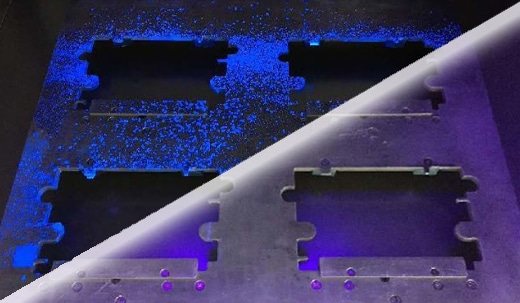
A: This method allows us to observe frames under UV light at short intervals during the cleaning process. It is used to determine the exact minimum time required for a “perfect clean,” ensuring process efficiency without unnecessary energy expenditure.
Maximize your production uptime today. Contact our laboratory specialists for a custom cleaning trial. We provide comprehensive test reports using your specific frames and coating materials to guarantee a zero-defect cleaning process.