Precision Conformal Coating Removal: Safeguarding High-Value PCBAs for Rework and Repair
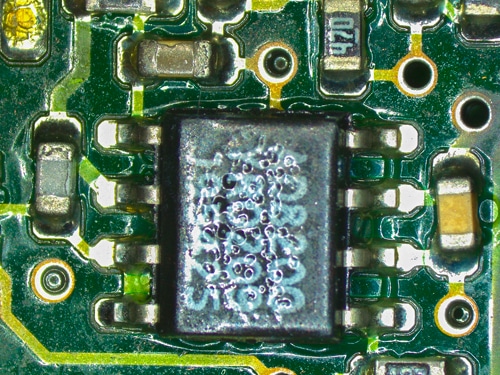
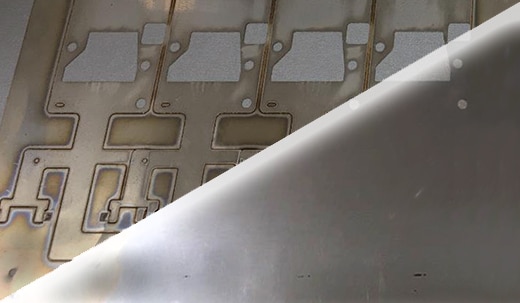
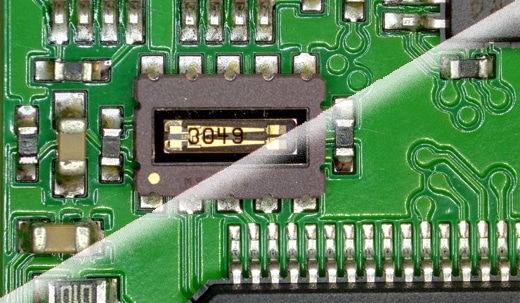
In the modern electronics landscape, where the demand for zero-defect reliability in automotive, 5G, and medical sectors is at an all-time high, the application of conformal coating has become standard practice. However, when a PCBA fails functional testing or requires a component swap, the presence of that protective layer—whether it be acrylic, polyurethane, silicone, or epoxy—becomes a major barrier to rework. The traditional “Cost of Poor Quality” in this segment is often represented by the outright scrapping of expensive, fully-populated assemblies because manual removal of the coating is deemed too risky or labor-intensive. Automated coating removal is the only industrial solution that allows for 100% assembly recovery, ensuring that high-value assets are salvaged with precision and without mechanical damage to the substrate.
Technical, Financial, and Safety Perspectives
Deep Cleanliness and Surface Energy
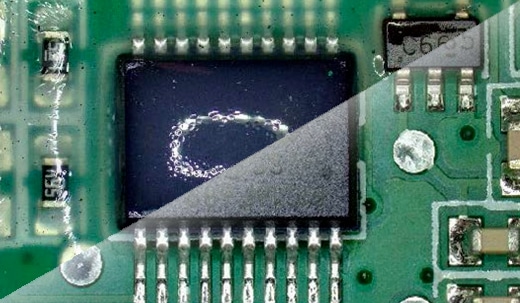
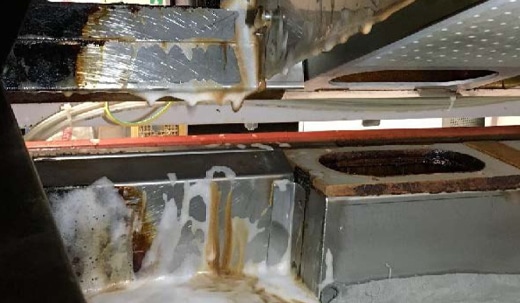
For the process engineer, the primary challenge is removing the cured protective film from high-density component arrays without inducing chemical stress or mechanical fatigue. DCT’s automated solutions utilize specialized fluids like Proton® 69 or Decotron® EFD1 that are engineered to penetrate under-fill areas and the tight gaps of QFN and BGA components. Whether using horizontal high-pressure spray-in-air technology or ultrasonic agitation in Sonix® systems, the goal is to break the chemical bond of the coating while maintaining the integrity of solder joints and delicate SMT components. Achieving a perfectly clean surface post-removal is critical; it ensures that once the repair is completed, the new coating will achieve the necessary surface energy for permanent adhesion, preventing future field failures due to delamination.
Maximizing ROI and Asset Recovery
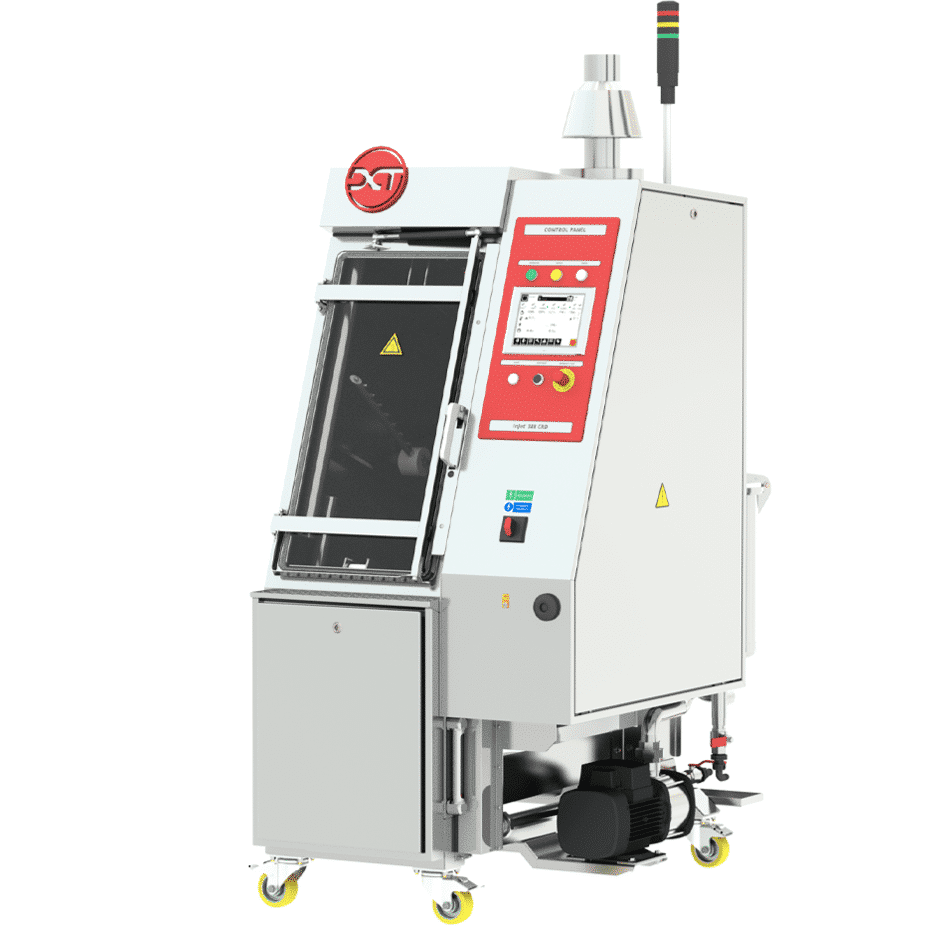
From a financial perspective, a dedicated coating removal system like the InJet® 388 CRRD is a high-yield investment. Instead of viewing cleaning as a cost center, it should be viewed as a center for asset recovery. By salvaging PCBAs that would otherwise be scrapped, Tier 1 suppliers can protect their margins and meet aggressive production quotas. A high-quality DCT system typically pays for itself within 12 to 18 months by reducing chemical waste through advanced 2PR filtration and minimizing the high labor costs associated with manual rework. Furthermore, the longest warranty on our stainless-steel industrial builds ensures a low Total Cost of Ownership (TCO) compared to lower-cost, disposable alternatives that suffer from frequent downtime and high maintenance requirements.
Safety, Compliance, and Integration
Operator safety and environmental sustainability are the cornerstones of modern manufacturing. Transitioning from manual, often flammable solvent cleaning to automated, regenerated processes is the most effective way to improve ESG (Environmental, Social, and Governance) scores. DCT’s water-based agents, such as the pH-neutral Decotron® EFD1, offer a safe, non-toxic environment for operators while meeting the strictest VOC (Volatile Organic Compound) regulations. For project managers, the ability to integrate these machines into a factory’s MES (Manufacturing Execution System) means that every rework cycle is fully documented and traceable, providing the “Validated Process Guarantee” required by global Tier 1 customers.
Selection Guide: Matching Technology to Coating Chemistry
Successful removal requires matching the specific chemical resistance of the coating to the appropriate cleaning technology:
- Acrylic and Polyurethane (Standard Rework): These coatings are efficiently handled by Decotron® EFD1 (water-based) or Proton® 69 (solvent-based). These fluids swell the coating, allowing it to be easily removed by the mechanical energy of the InJet® spray manifolds.
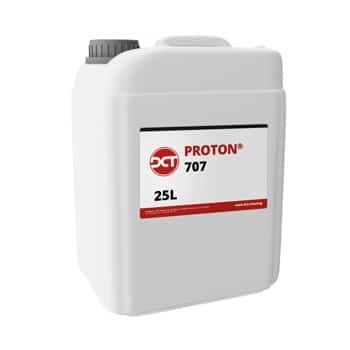
- Silicone (Unique Challenges): Cured silicone is notoriously difficult to remove. DCT has developed specialized agents like Proton® 707, which are specifically designed to break the unique chemical bonds of silicone without damaging the underlying board.
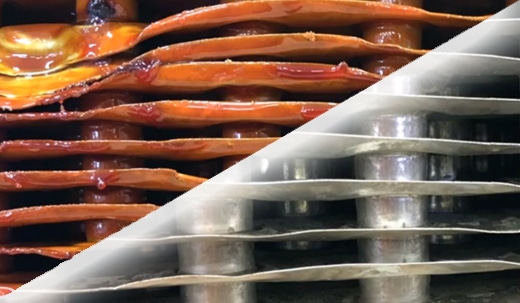
- Epoxy and Hard Potting: For exceptionally thick or cross-linked layers, Sonix® ultrasonic systems provide the necessary mechanical energy to break down the material in hard-to-reach areas where spray technology may struggle.
- Misprint Correction: For uncured coatings on misprinted boards, rapid removal in an automated batch cleaner prevents the coating from hardening, allowing the board to re-enter the production line immediately.
Technical Specifications for Coating Removal Systems
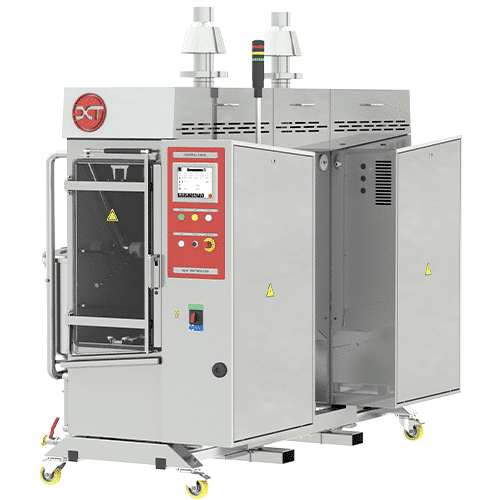
| Cleaning System |
Primary Application |
Key Technical Feature |
| InJet® 888 CRRD |
High-Capacity PCBA Rework |
2-tank system with high-pressure horizontal spray |
| InJet® 388 TWIN |
Flexible Rework & Misprints |
Dual-chamber design to prevent cross-contamination |
| Sonix® 355 CRRD |
Heavy Potting & Stubborn Layers |
Ultrasonic immersion |
| Proton® 707 |
Silicone Coating Fluid |
Engineered specifically for cured silicone dissolution |
Industry FAQ: Expert Insights into PCBA Odlakování
Q: Can I remove conformal coating from just one specific area of the board?
A: While automated systems are designed for full-board removal (ideal for total rework or scrap recovery), DCT also provides manual agents like Proton® 550 for localized repair where full immersion or spray is not required.
Q: Does the removal process damage the board’s solder mask?
A: No. DCT fluids are developed with high material compatibility. When used at the recommended temperatures and cycle times, they effectively peel the coating layer while leaving the underlying solder mask and component markings intact. Compatibility testing in our demo center is always provided to confirm results.
Q: How do we handle the “white powder” residue often found after removing old coatings?
A: This residue is often tin salt or oxidized flux. While standard removal fluids target the coating, stubborn residues can be handled by adjusting the cycle in our Sonix® ultrasonic systems or by a final rinse with specialized cleaning fluids designed for insoluble tin salts.
Q: Is water-based cleaning as fast as solvent-based removal?
A: Generally, solvent-based fluids like Proton® 69 act faster on acrylics. However, water-based agents like Decotron EFD1 utilize a physical swelling mechanism that is often more effective for very thick layers and provides a significantly safer environmental profile for the factory floor.
Q: How do I know the board is clean enough for re-coating?
A: Validation is key. After the removal process, we recommend testing with the ROSE TESTER 54 to ensure no ionic contamination remains. A clean board with high surface energy is necessary to prevent delamination of the newly applied coating.
Salvage your high-value assemblies with authority. Contact our technical specialists today to schedule a cleaning trial in our laboratory. We provide detailed reports using your specific PCBA samples and coating types to ensure a validated, zero-defect rework process.