Precision Cleaning for Double-Side Misprints: Recovering Value and Ensuring SMT Reliability
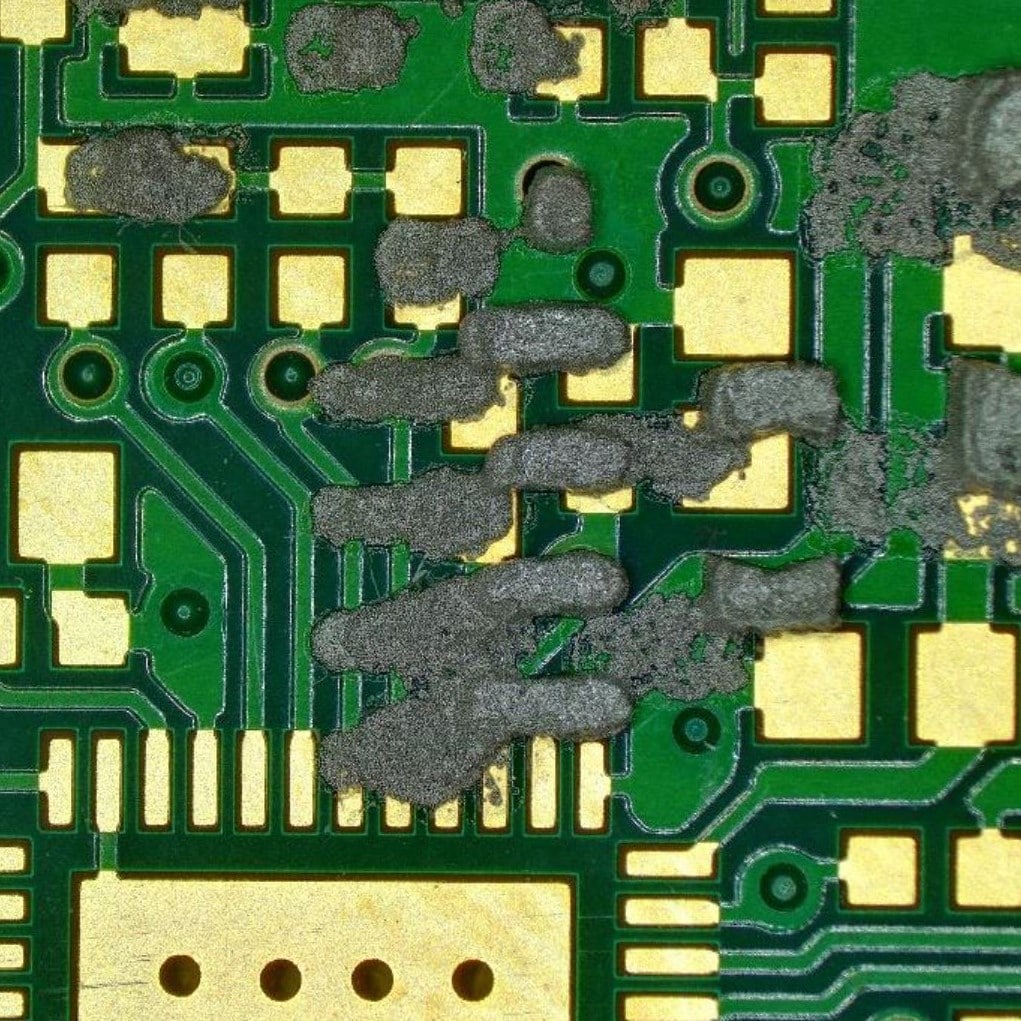
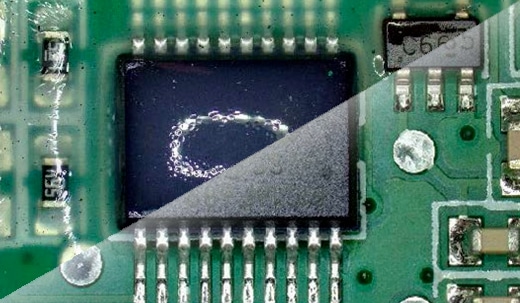
In the fast-paced world of Surface Mount Technology (SMT), even the most optimized production lines encounter errors. Among the most challenging of these are double-side misprints, often referred to as B-side printing errors. These occur when the first side (Side A) of a Printed Circuit Board Assembly (PCBA) has been successfully populated and soldered, but the subsequent solder paste printing on the second side (Side B) fails due to stencil misalignment, improper paste viscosity, or machine errors. Leaving these misprints unaddressed or attempting manual cleaning can lead to catastrophic failures. DCT provides specialized, automated cleaning solutions designed to safely remove unsoldered paste and flux residues from Side B without compromising the integrity of the components already secured on Side A.
The Strategic Advantage: Perspective on Misprint Recovery
The decision to implement an automated misprint cleaning process involves technical, financial, and operational considerations. DCT’s integrated approach using InJet® hardware and Decotron® chemistry addresses the specific needs of every department involved in the electronics manufacturing lifecycle.
Protecting Component Integrity on Side A
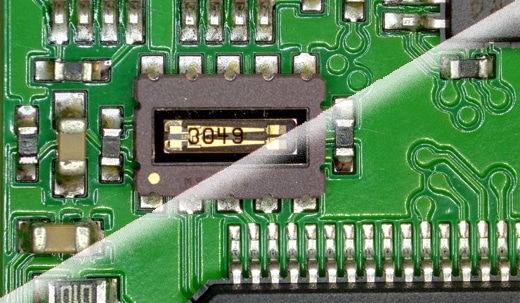
The primary technical challenge in cleaning a double-sided misprint is the “Side A factor.” The board already carries soldered components, some of which may be sensitive to high-pressure mechanical stress or chemical interactions. Manual cleaning with IPA and wipes often pushes solder balls into narrow gaps under Side A components, creating latent shorts. DCT InJet® systems utilize vertical spray-in-air technology that provides a controlled, uniform flow. This ensures that unsoldered paste on Side B is completely emulsified and rinsed away while the chemistry—such as the pH-neutral Decotron® CP381—remains gentle on the soldered joints and component labels of Side A. Our processes are designed to meet IPC-A-610 standards, ensuring that recovered boards are indistinguishable from first-pass yields in terms of reliability.
Maximizing ROI Through PCBA Recovery
From a financial standpoint, a double-sided PCBA often represents the peak value of the assembly. Discarding a board because of a printing error on the second side is a significant waste of expensive components (ICs, processors, and specialized connectors) and the energy already invested in the first reflow cycle. DCT’s misprint cleaning solutions offer a clear Return on Investment (ROI) by enabling 100% recovery of these high-value assemblies. By transforming a “scrap” board back into a “blank” Side B board, the system pays for itself by reducing Material Review Board (MRB) costs and improving overall factory yield. Furthermore, our automated chemical regeneration systems minimize the consumption of cleaning fluids, keeping the Operating Expenditure (OPEX) low.
Safety, Automation, and Compliance
Project managers overseeing Tier 1 automotive or aerospace contracts require documented, repeatable processes. Manual cleaning is subjective and difficult to validate. DCT’s automated systems provide full traceability and consistent results that satisfy external audits. From an Environmental Health and Safety (EHS) perspective, moving away from manual solvent application reduces operator exposure to VOCs and eliminates the fire hazards associated with open-air IPA cleaning. All Decotron® fluids used in these processes are RoHS and REACH compliant, biodegradable, and designed for closed-loop systems that align with modern ESG (Environmental, Social, and Governance) targets.
Selection Guide: Choosing the Right Setup for Misprint Cleaning
DCT offers a range of hardware and chemistry combinations tailored to different board sizes and production volumes. The goal is to match the cleaning energy to the complexity of the PCBA.
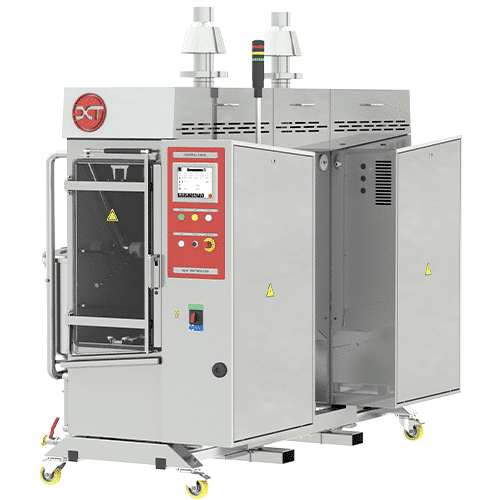
- InJet® 388 TWIN CRD (“Sausage Dog”): A high-capacity system designed primarily for removing flux residues but highly effective for misprints. Its twin-chamber design allows for simultaneous cleaning and drying, maximizing throughput for high-volume lines.
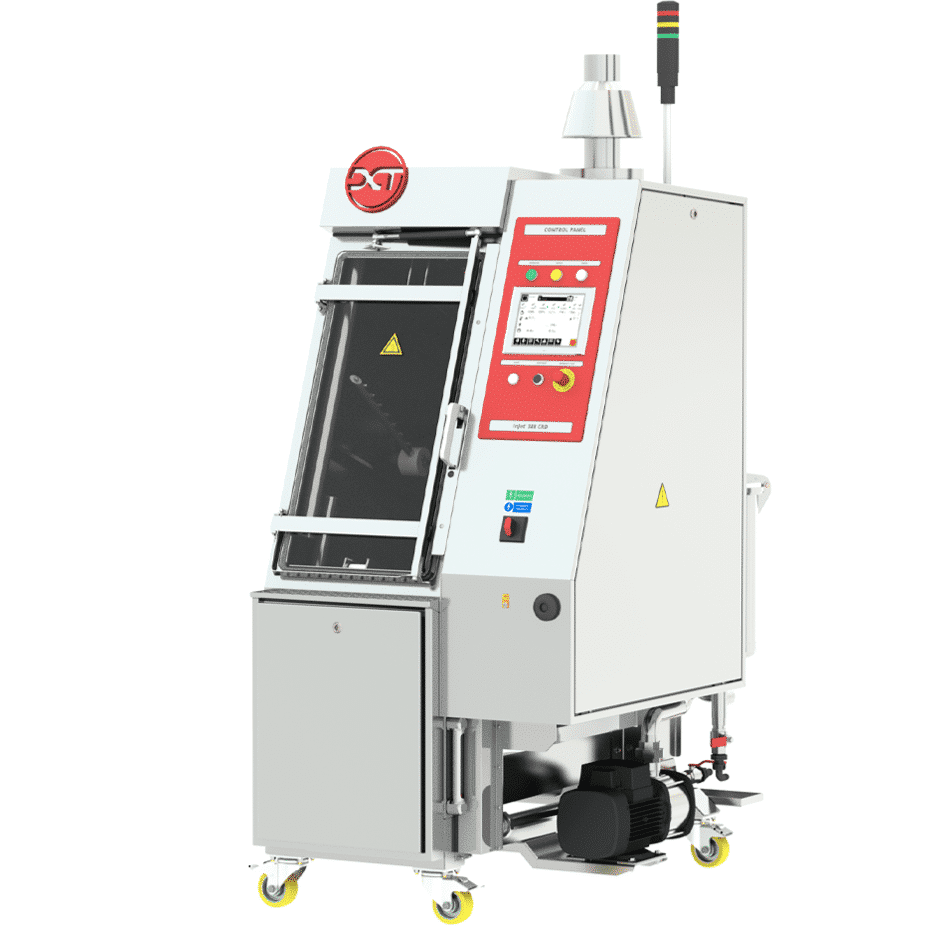
- InJet® 388 CRD 2PR: A versatile platform that can be configured for a combination of PCBA cleaning and maintenance tasks (such as cleaning stencils and squeegees). It is the ideal choice for facilities that need a multi-purpose cleaning station.
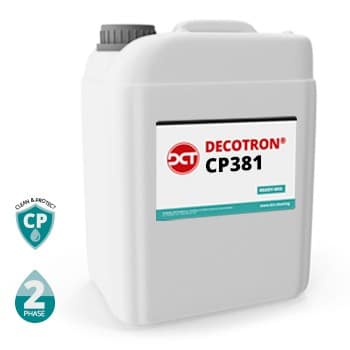
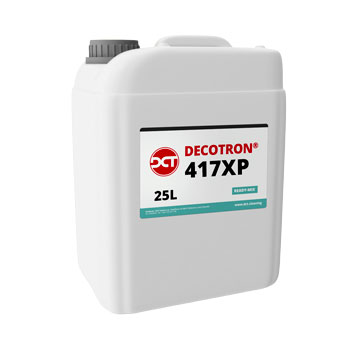
- Decotron® CP381: A water-based, ready-mix cleaning fluid specifically determined for misprints. It offers high material compatibility, ensuring that it removes unsoldered paste without attacking the materials on the soldered side.
Technical Specifications Overview for Misprint Cleaning
| System / Fluid |
Application Focus |
Key Benefit |
| InJet® 388 TWIN |
High-volume PCBA recovery |
Simultaneous cleaning/drying for maximum UPH. |
| InJet® 3179 CRD |
Extra-large boards (BigBoard) |
Accommodates boards up to 1700 mm in length. |
| Decotron® CP381 |
Solder paste removal |
Water-based, pH-neutral, high wetting ability. |
| Decotron® 355S |
Flux residue removal |
Alkaline formulation for difficult no-clean fluxes. |
Industry Deep-Dive: Frequently Asked Questions
Can automated cleaning damage components already soldered on Side A?
No, provided the correct chemistry and pressure settings are used. DCT systems use vertical spray-in-air technology which is designed to be gentle on soldered joints. By using fluids with high material compatibility, such as the Decotron series, the soldered side remains untouched while the unsoldered paste on Side B is removed.
Why is manual cleaning with IPA discouraged for misprints?
Manual cleaning is often incomplete. IPA evaporates quickly, frequently leaving thin films of flux or tiny solder spheres trapped in the solder mask or under low-standoff components. This leads to dendritic growth and shorts later in the product’s life. Automated cleaning ensures a 100% rinse and dry cycle, removing all contaminants.
Is it necessary to clean the boards immediately after a misprint occurs?
While modern solder pastes are designed for longer stencil life, “open time” still matters. As the paste dries, it becomes harder to remove. However, DCT’s InJet systems and Decotron chemistry are specifically formulated to handle “aged” misprints that have been sitting on the floor for several hours, ensuring a clean surface for re-printing.
Does the cleaning process affect the solderability of the board?
On the contrary, a proper automated cleaning process prepares the surface for the next print cycle more effectively than manual wiping. It removes oxidation and surface contaminants, ensuring that the second attempt at printing Side B results in optimal aperture release and wetting.
How does DCT ensure the rinse water is clean?
Our systems utilize advanced external filtration modules. These modules remove the captured solder paste particles and flux residues from the fluid, maintaining the purity of the cleaning agent and the rinse water. This extends the life of the cleaning bath and reduces waste.
Strategic Process Consultation
Recovering misprinted PCBAs is one of the most effective ways to instantly improve your bottom line. DCT offers more than just machines; we provide a complete, validated recovery process. Our technical specialists are available to perform trial cleaning on your specific misprinted samples in our worldwide democenters. Contact us today to evaluate your process and implement a zero-waste strategy for your SMT production.