Manual Maintenance Excellence: Professional Cleaning Solutions for Reflow Ovens and Wave Soldering Systems
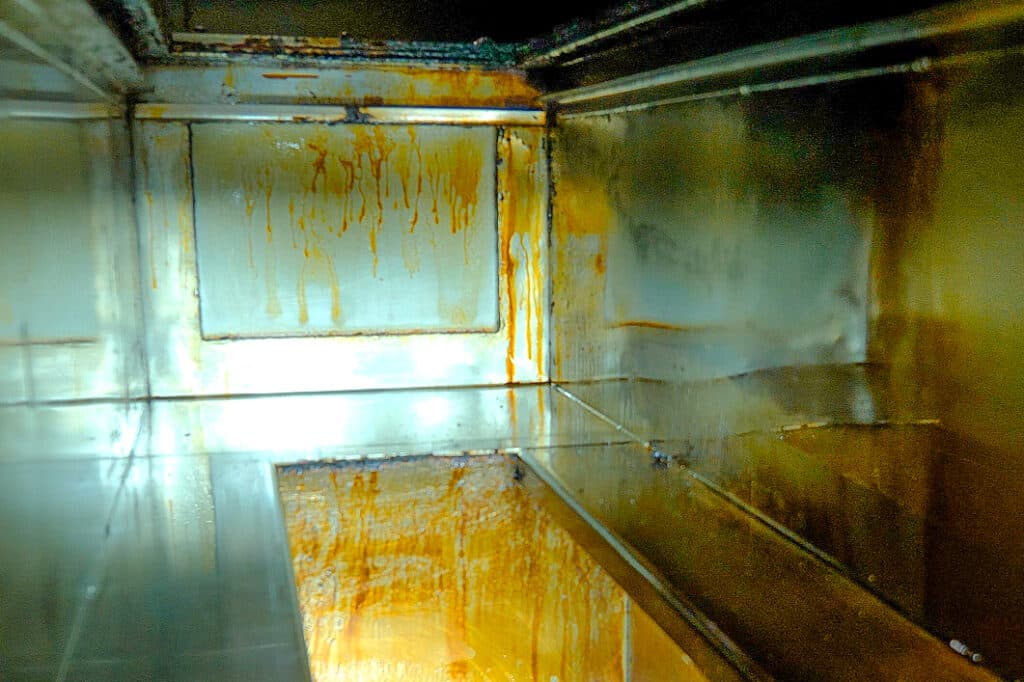
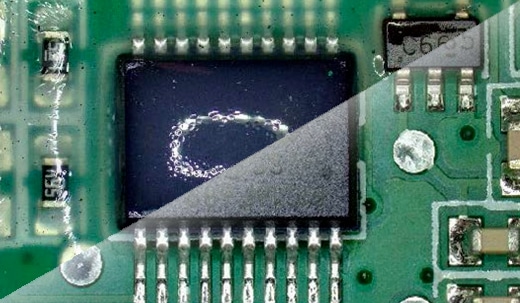
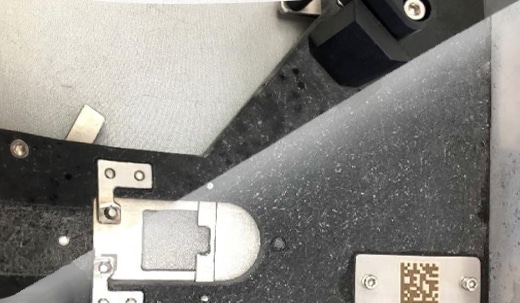
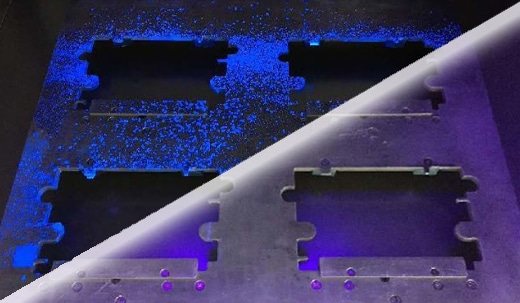
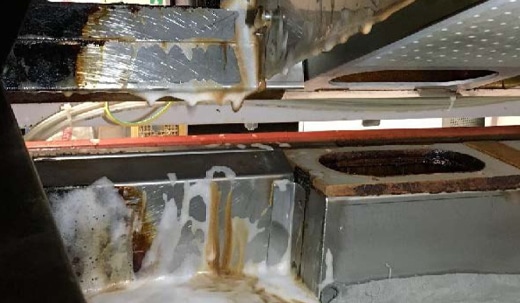
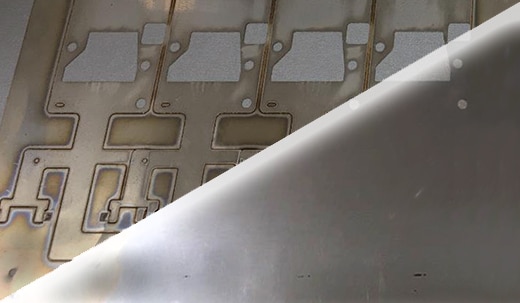
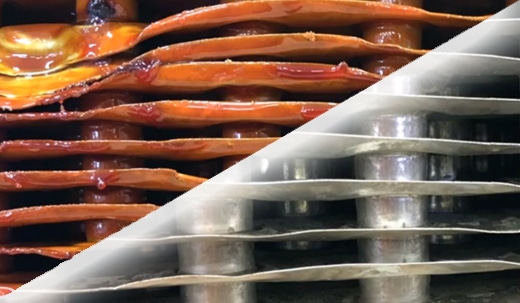
In the high-stakes environment of SMT (Surface Mount Technology) production, the reliability of a PCBA is often determined by the environment in which it was created. Reflow ovens and wave soldering machines are the heart of the assembly line, yet they are also magnets for concentrated flux residues, burnt-on resins, and cooling system condensates. Neglecting the manual maintenance of these systems leads to a significant increase in the “Cost of Poor Quality.” Burnt-on residues can break off and contaminate boards, while clogged condensation traps lead to uneven thermal profiles and smoke buildup. Professional manual cleaning is not just about aesthetics; it is a critical strategy for preventing downtime and ensuring that every solder joint meets the highest industrial standards.
Technical, Financial, and Safety Perspectives
Maintaining Thermal Stability and Cleanliness
For a process engineer, the primary objective is to maintain a stable, repeatable thermal profile. Baked-on flux residues on oven walls and cooling zones can act as insulators or disrupt airflow, leading to cold solder joints or overheating. DCT’s manual cleaning agents, such as Reflow Cleaner 94, are engineered to penetrate and dissolve these hardened “baked-on” contaminants without leaving secondary residues. These fluids are formulated to be surfactant-free, ensuring that once the surface is wiped, no “Tenzide” films remain to attract more dust or interfere with the soldering atmosphere. By implementing a regular manual cleaning schedule for the process chambers and internal components, engineers ensure the longevity of the equipment and the consistent quality of the output.
TCO, ROI, and Preventive Maintenance
From a financial perspective, manual cleaning is the front line of preventive maintenance. The Total Cost of Ownership (TCO) of a reflow oven is significantly impacted by its uptime and the frequency of major repairs. A well-maintained oven lasts longer and experiences fewer catastrophic failures. By investing in highly effective cleaning products, procurement teams can reduce downtime caused by maintenance. If an operator can clean a machine in 30 minutes instead of two hours using substandard chemicals, the ROI is realized instantly through recovered production time. Furthermore, using non-corrosive, specialized chemicals prevents the long-term degradation of expensive stainless steel internal parts, protecting the remaining value of the asset.
Safety, Compliance, and Operator Health
Safety is the most critical factor in manual cleaning operations. Many traditional shops still rely on flammable solvents like Isopropyl Alcohol (IPA), which poses a significant fire risk when used inside warm reflow ovens and creates harmful vapors for operators. DCT’s modern cleaning chemistries are developed to be non-flammable and often biodegradable, dramatically improving the EHS (Environment, Health, and Safety) profile of the factory floor. With many agents being RoHS and REACH compliant, project managers can ensure that maintenance protocols meet global environmental standards while providing a safer, odor-free work environment for the team performing the maintenance tasks.
Selection Guide: Matching Cleaning Agents to Maintenance Tasks
Choosing the right agent depends on the temperature of the machine and the severity of the residue buildup:
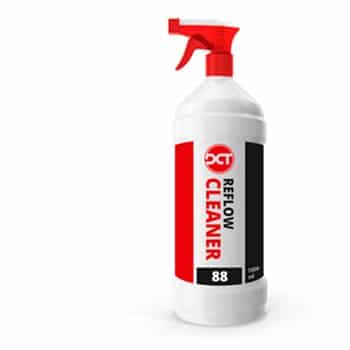
- Process Chambers (Baked-on Residues): Use Reflow Cleaner 94. It is specifically designed for the manual removal of extremely cured flux residues and resins found in reflow and wave soldering systems.
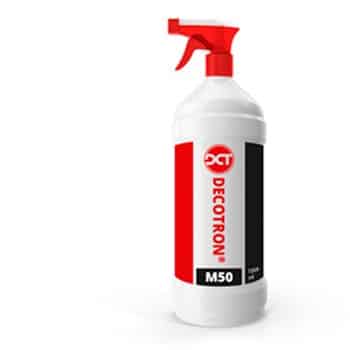
- General Degreasing & Cooling Zones: Decotron T391 or Proton 69 are excellent choices for removing lighter condensates and cooling residues, providing a rapid “spray-and-wipe” solution.
- Removable Parts (Filters & Traps): While manual wiping is used for the oven itself, removable parts like condensation filters should be moved to an automated InJet or Sonix system for deep cleaning to maximize throughput.
- Stubborn Metallic Oxides: If the maintenance involves removing oxidized “white powder” from machine parts, specialized agents with high chemical activity are required to break down these insoluble salts.
General Maintenance Specifications
| Product Name |
Manual Application |
Key Technical USP |
| Reflow Cleaner 94 |
Manual spray & wipe for ovens |
Superior dissolution of baked-on resins |
| Decotron T391 |
Wave and reflow maintenance |
Tenzide-free, leaves zero residue |
| Proton 69 |
General industrial cleaning |
Fast-evaporating, high-power degreaser |
Industry FAQ: Expert Maintenance Insights
Q: Can we clean the reflow oven while it is still hot?
A: Most specialized reflow cleaners, like Reflow Cleaner 94, work more efficiently when the surfaces are warm (approx. 40-60°C). However, you should never use flammable solvents like IPA on a hot machine due to the risk of ignition. Always check the flashpoint of your cleaning agent before application.
Q: How often should manual cleaning be performed?
A: This depends on your production volume and the flux type used. High-volume lines using no-clean or tacky fluxes typically require a quick manual wipe of the cooling zones once per shift and a thorough chamber clean once per week to prevent buildup.
Q: Why should I use specialized reflow cleaners instead of standard degreasers?
A: Standard degreasers often contain surfactants (tenzides) that leave a microscopic film on the machine walls. This film can actually attract flux fumes, causing residues to build up faster than before. DCT agents are formulated to be residue-free to maintain a cleaner machine for longer intervals.
Q: Is manual cleaning sufficient for condensation filters and traps?
A: While manual cleaning can manage the surface, the internal structures of condensation filters are too complex for wipes. We recommend removing these components and cleaning them in an automated InJet 888 spray-in-air system to ensure full airflow recovery.
Q: Are these cleaning agents safe for the plastics and seals inside the machine?
A: Yes. DCT agents are tested for high material compatibility. They are designed to be “material-friendly,” ensuring that silicone seals, plastic covers, and sensitive sensors are not degraded during the cleaning process.
Ensure your soldering process remains fault-free. Contact our technical specialists today at www.dct.cleaning to arrange a maintenance trial. We can provide you with the optimal cleaning protocol and chemistries tailored to your specific reflow and wave soldering equipment.