Professional Manual PCB Cleaning: Ensuring Zero-Defect Reliability in Rework and Localized Assembly
In the high-precision world of Surface Mount Technology (SMT), the final quality of a printed circuit board assembly (PCBA) is often judged by its surface cleanliness. While automated cleaning systems handle high-volume production, manual PCB cleaning remains an indispensable process for localized rework, repair, and low-volume prototype development. However, manual cleaning is frequently the “weakest link” in the production chain. The “Cost of Poor Quality” in manual cleaning is high: improper techniques or substandard chemicals lead to dendritic growth, electrochemical migration, and parasitic leakage currents. Professional manual cleaning solutions are engineered to eliminate these risks, ensuring that even localized hand-soldered joints meet the stringent requirements of IPC-A-610 standards.
Technical, Financial, and Safety Perspectives
Precision Residue Removal and Surface Energy
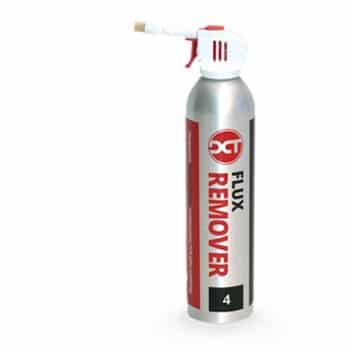
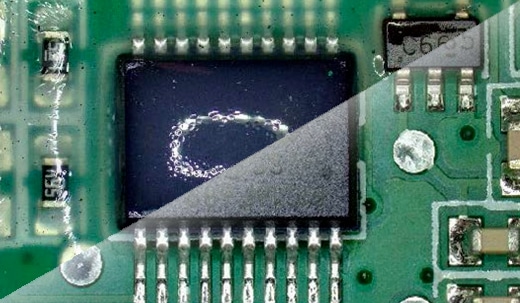
For process engineers, the primary challenge of manual cleaning is achieving the same level of chemical performance as an automated system without the benefit of high-pressure spray manifolds. Traditional solvents like Isopropyl Alcohol (IPA) often fail because they lack the necessary wetting tension to penetrate under low-standoff components. Specialized DCT cleaning agents, such as Flux Remover 4, are engineered with lower surface tension to “creep” under components, dissolving stubborn rosin (R, RMA) and synthetic no-clean flux residues. These fluids are formulated to prevent the dreaded “white residue”—a common result of IPA reacting with certain flux activators. By using professional-grade fluids, engineers ensure high surface energy, which is critical for the subsequent adhesion of conformal coatings or potting compounds.
Margin Protection through Asset Recovery
From a financial perspective, manual cleaning is a vital tool for margin protection. Scrapping a complex, fully populated PCBA due to a single faulty solder joint is a significant financial loss. Effective manual cleaning allows for surgical rework, enabling technicians to replace a component, clean the localized area, and return the assembly to a “as-new” state. The Return on Investment (ROI) is realized through the reduction of scrap rates and the avoidance of expensive warranty claims. Furthermore, by using high-efficiency chemicals like Proton 69, labor time is reduced; what takes an operator ten minutes with low-grade solvents can often be accomplished in two minutes with a professional formulation, directly lowering the total cost per reworked unit.
Safety Compliance and Operator Health
Safety is the cornerstone of modern electronic manufacturing. Many manual cleaning stations still rely on highly flammable, high-VOC (Volatile Organic Compound) solvents that pose fire risks and health hazards to operators. DCT’s range of manual cleaning agents includes non-flammable and low-VOC options that significantly improve the EHS profile of the facility. These products are RoHS and REACH compliant, ensuring that the manufacturing process adheres to global environmental regulations. For project managers, the use of validated, documented cleaning protocols provides the “Validated Process Guarantee” required to secure contracts from Tier 1 automotive or medical customers who demand full traceability and safety compliance.
Selection Guide: Choosing the Right Manual Cleaning Agent
Success in manual cleaning requires matching the chemical activity of the cleaner to the specific type of flux residue and the desired evaporation rate:
- Rosin-Based Fluxes (R, RA, RMA): These require high-power solvents like Proton 69 or Flux Remover 4. These agents rapidly break down the resin matrix, allowing it to be wiped away without leaving a sticky film.
- No-Clean and Tacky Fluxes: These modern fluxes contain synthetic resins that are chemically robust. Specialized cleaners like Decotron T391 are designed to neutralize the activators in no-clean residues, preventing future corrosion.
- Water-Based Manual Cleaning: For facilities moving toward an entirely aqueous process, specialized water-based manual cleaners provide a safe, VOC-free alternative. These are best used with mechanical agitation (brushing) followed by a DI water rinse.
- Localized Degreasing: For removing fingerprints, oils, or light dust before conformal coating, fast-evaporating agents ensure the board is ready for the next process step within seconds.
Technical Specifications for Manual Cleaning Products
| Product Name |
Primary Application |
Key Technical Feature |
| Flux Remover 4 |
Manual removal of R, RMA, and No-clean flux |
Superior wetting for under-component cleaning |
| Proton 69 |
Localized degreasing and heavy resin removal |
Fast evaporation rate with high solvency power |
| Decotron T391 |
SMT maintenance and localized PCB cleaning |
Tenzide-free, leaves zero residue on surfaces |
Industry FAQ: Expert Insights into Manual PCB Cleaning
Q: Why is Isopropyl Alcohol (IPA) considered suboptimal for modern PCB cleaning?
A: While IPA is cheap, it has a high surface tension that prevents it from reaching residues under low-clearance components. It also evaporates too quickly to fully dissolve heavy resins and can leave “white residues” (insoluble metal salts) that compromise long-term reliability.
Q: How do I avoid the appearance of “white residue” after manual cleaning?
A: White residue is typically caused by the incomplete removal of flux activators or a chemical reaction between the solvent and the flux. Using a specialized agent like Flux Remover 4, which is chemically balanced for specific flux types, and ensuring the residue is physically wiped away while still wet, will eliminate this issue.
Q: Is mechanical agitation necessary during manual cleaning?
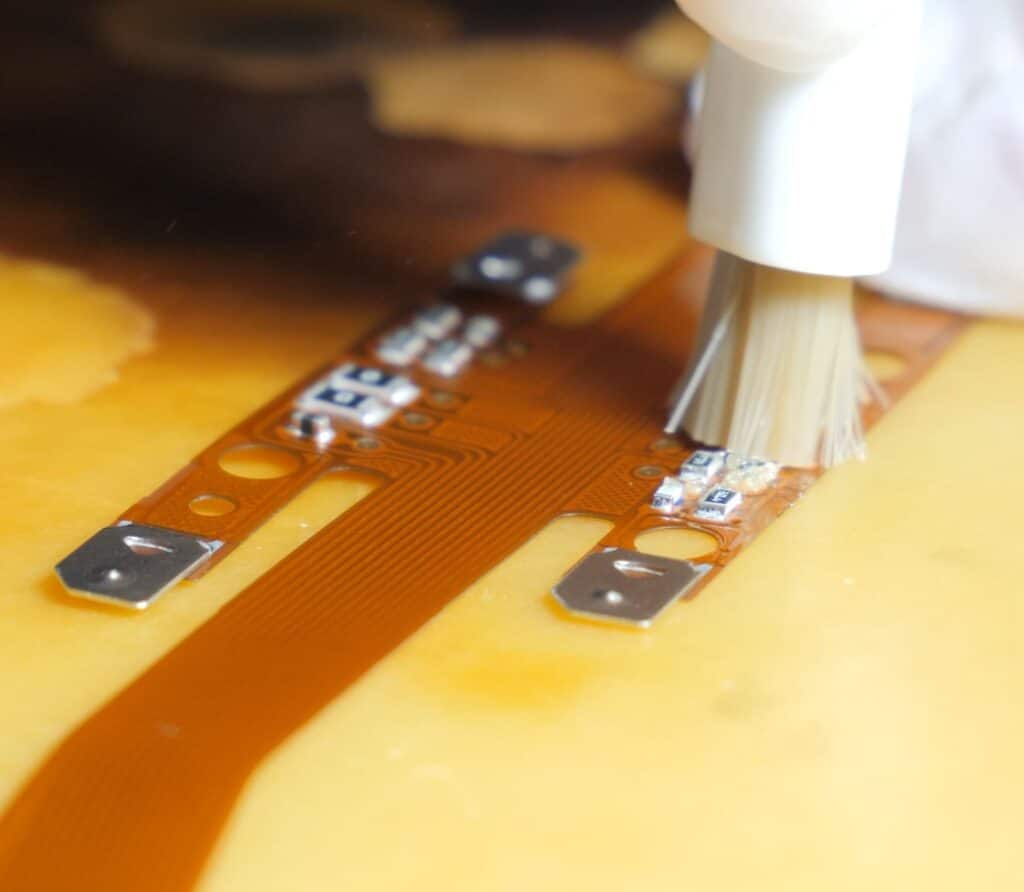
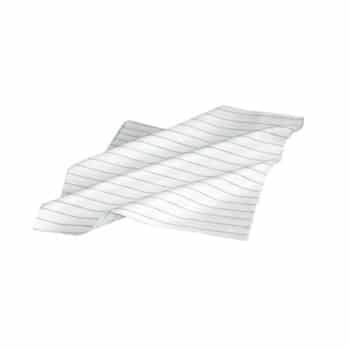
A: Yes. Without the high-pressure spray used in automated machines, manual cleaning relies on mechanical energy from brushes or wipes. We recommend using ESD-safe brushes and lint-free wipes to ensure that dissolved residues are completely removed from the board rather than redistributed.
Q: Can manual cleaning agents damage the solder mask or component markings?
A: DCT agents are tested for high material compatibility. However, some very old or low-quality components may have sensitive inks. We recommend a localized compatibility test before full application, though our professional fluids are designed to be “material-friendly” for standard PCBA substrates.
Q: How can I validate the cleanliness of a board after manual cleaning?
A: For high-reliability applications, we recommend post-clean validation using a ROSE (Resistivity of Solvent Extract) tester or a simple visual inspection under UV light if the flux contains a UV tracer. Ensuring no ionic contamination remains is critical for preventing dendritic growth in the field.
Achieve absolute reliability in your rework process. Contact our technical consultants today to find the optimal manual cleaning agent for your specific soldering process. Our team is ready to provide process validation and customized protocols to ensure your PCBAs meet the highest industrial standards.